Water Remediation in Wilmington, NC
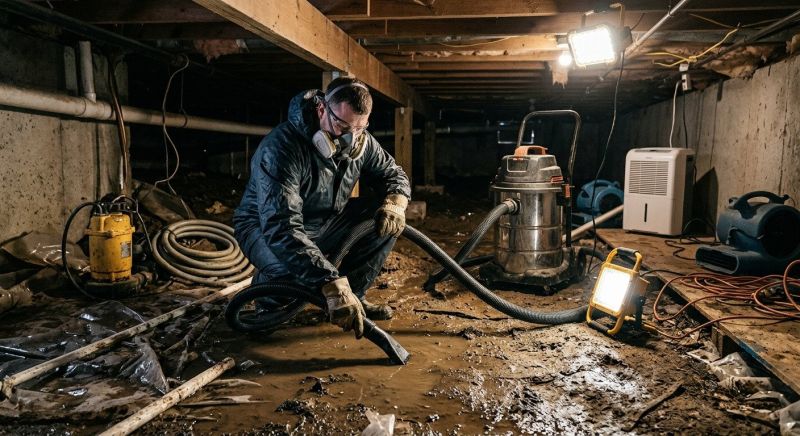
Water remediation services involve the assessment, removal, and cleanup of excess water from residential properties caused by leaks, flooding, or plumbing failures. These projects typically include drying out affected areas, extracting standing water, and addressing moisture issues that can lead to mold growth or structural damage. Property owners often seek this service after experiencing water intrusion events to protect their homes and belongings, and they usually want to understand the scope of work, potential costs, and how quickly the area can be restored to a safe condition.
Before requesting water remediation, homeowners should consider the extent of water damage, the source of the water, and whether there are visible signs of mold or structural concerns. It’s helpful to identify if the damage is confined to specific areas or widespread throughout the property. Understanding these details can assist in determining the appropriate response and ensure that the remediation process effectively restores the property’s safety and integrity.
Many property owners in Wilmington, NC look into Water Remediation for repairs, replacements, upgrades, and appearance-related improvements.
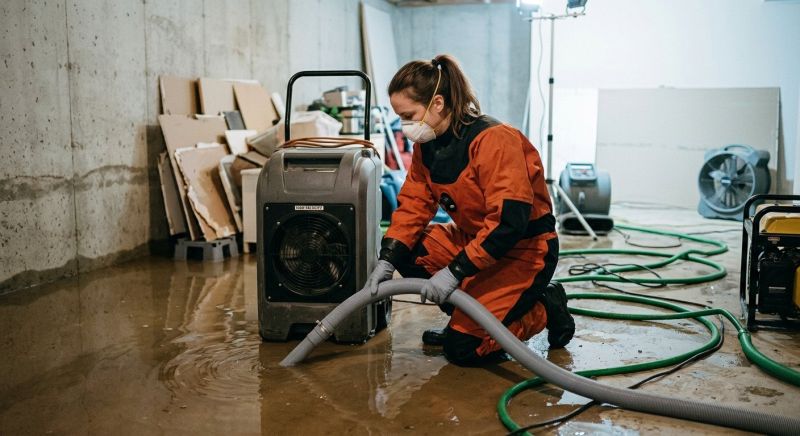
Water Damage Cleanup
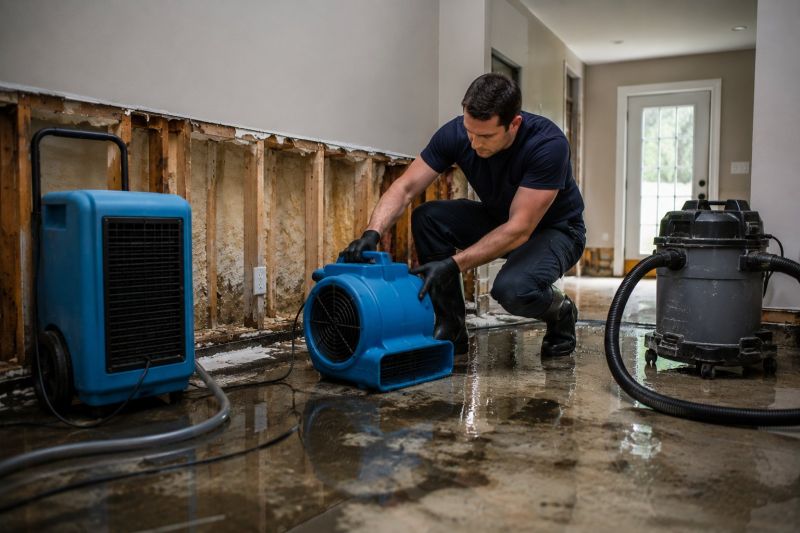
Effective removal of water from affected areas to prevent further damage and mold growth.
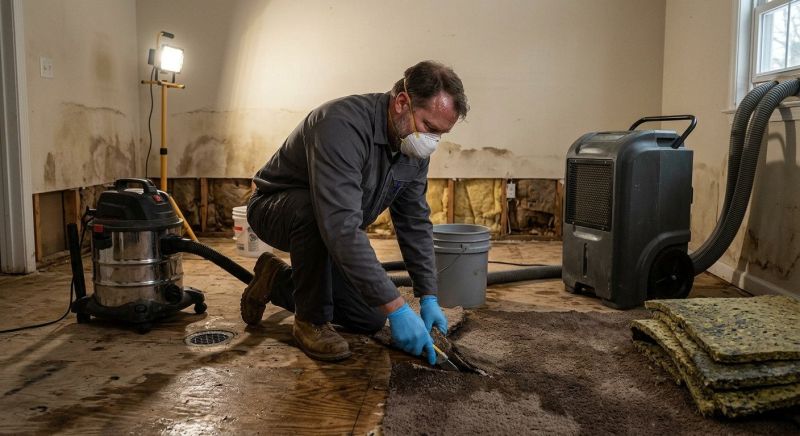
Mold Prevention And Removal
Treatments to eliminate mold and reduce the risk of health issues caused by moisture intrusion.
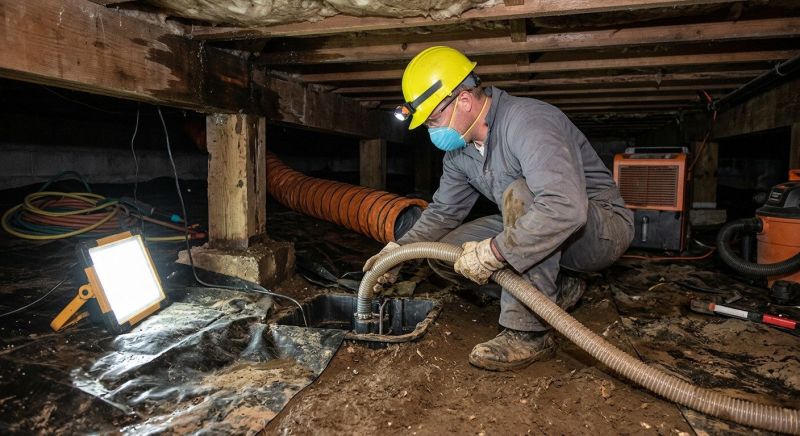
Structural Drying Solutions
Specialized drying techniques to restore structural integrity after flooding or leaks in wilmington homes.
Water Remediation in Wilmington, NC
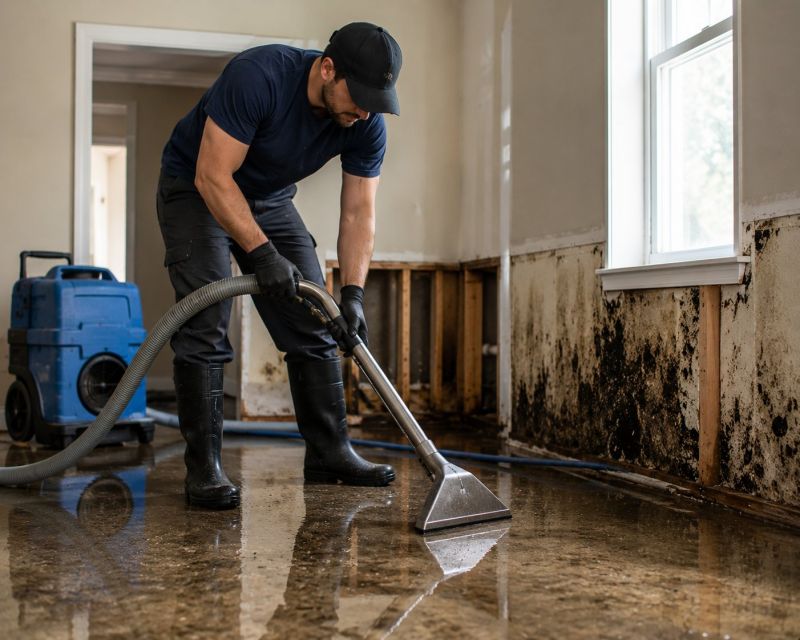
Water remediation services involve the assessment, removal, and cleanup of excess water from residential properties caused by leaks, flooding, or plumbing failures. These projects typically include drying out affected areas, extracting standing water, and addressing moisture issues that can lead to mold growth or structural damage. Property owners often seek this service after experiencing water intrusion events to protect their homes and belongings, and they usually want to understand the scope of work, potential costs, and how quickly the area can be restored to a safe condition.
Before requesting water remediation, homeowners should consider the extent of water damage, the source of the water, and whether there are visible signs of mold or structural concerns. It’s helpful to identify if the damage is confined to specific areas or widespread throughout the property. Understanding these details can assist in determining the appropriate response and ensure that the remediation process effectively restores the property’s safety and integrity.
Many property owners in Wilmington, NC look into Water Remediation for repairs, replacements, upgrades, and appearance-related improvements.
Common Water Remediation Jobs
Water Damage Restoration - repairs and restores properties affected by leaks, floods, or storms.
Mold Remediation - removes mold growth to improve indoor air quality and prevent health issues.
Sewage Cleanup - safely removes contaminated water and debris from sewage backups.
Water Leak Detection - identifies hidden leaks to prevent structural damage and reduce water bills.
Contaminant Removal - eliminates harmful substances from water sources to ensure safe drinking water.
Flood Damage Repair - restores homes after flooding events, including drying and structural repairs.
Water Remediation Questions
What types of water issues are addressed with remediation services? Water remediation services handle problems like flooding, sewage backups, and persistent moisture that can damage property and promote mold growth.
How can water remediation help protect a property? It removes excess water, dries affected areas, and prevents structural damage and mold development, helping maintain a safe and healthy environment.
What signs indicate a water remediation service may be needed? Signs include standing water, damp or musty odors, visible mold, or water stains on walls and floors.
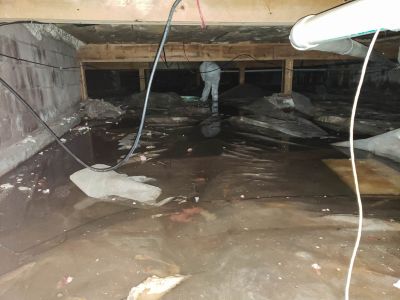
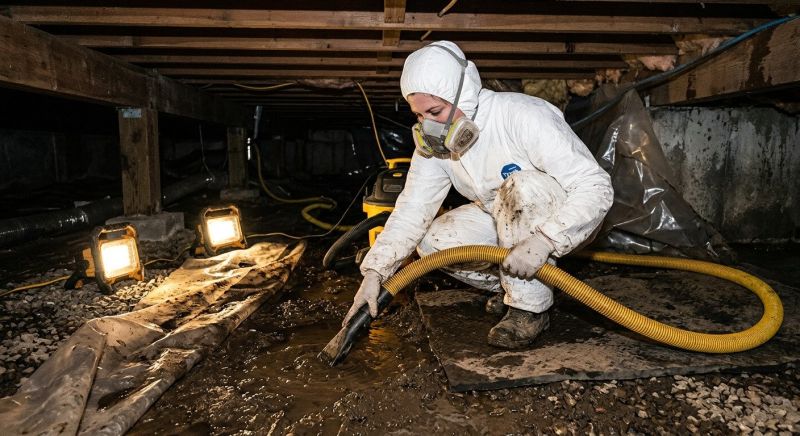
What areas of a property are typically treated during water remediation? Commonly treated areas include basements, crawl spaces, flooring, walls, and HVAC systems affected by water intrusion.
Request Water Remediation in Wilmington, NC
Use the quote form on this page to share the basics of your project and request more information for the type of work you need.