Compare Local Contractors for Effective Flood Damage Restoration
Compare local contractors for flood damage restoration to verify experience, define scope clearly, and set expectations in writing for a trusted recovery process.
Flood damage restoration services typically encompass a range of tasks aimed at mitigating the effects of water intrusion and restoring a property to its pre-flood condition. This work often includes water extraction, removal of damaged materials such as drywall and flooring, mold prevention and remediation, structural drying, and sanitation. Properly addressing these aspects helps prevent further deterioration and health risks associated with residual moisture and mold growth. Understanding the scope of work involved can help property owners ensure that all necessary steps are covered and that the restoration process is thorough and effective.
Defining the scope of flood damage restoration work is essential for setting clear expectations and avoiding misunderstandings. A detailed scope outlines the specific tasks a contractor will perform, the areas involved, and any necessary materials or equipment. This clarity helps property owners verify that the work aligns with their needs and provides a basis for comparing different service providers. When scope details are documented in writing, it becomes easier to track progress, ensure accountability, and address any concerns that may arise during the project.
Property owners seeking flood damage restoration services can benefit from comparing local contractors to find the best fit for their needs. Key factors to consider include the contractor’s experience with similar projects, the range of services offered, and the clarity of the scope of work they provide. It’s advisable to review any written agreements carefully, ensuring that expectations are clearly outlined and that the scope covers all necessary aspects of the restoration. By evaluating these elements, property owners can make informed decisions and select service providers who are well-equipped to handle the specific requirements of flood damage recovery.
Compare local contractors by outlining your priorities, verifying experience, and setting clear scope and expectations in writing.
- Compare Contractors - review multiple local service providers to find the best match for flood damage restoration needs.
- Define Scope - clearly outline the extent of work required to ensure all parties understand project requirements.
- Verify Experience - assess the background and past work of local contractors to gauge their expertise in flood restoration.
- Set Expectations in Writing - document the scope, responsibilities, and deliverables to prevent misunderstandings during the project.
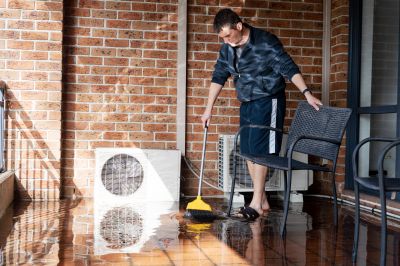
Clearly describe your flood damage restoration project to help compare local contractors and set clear expectations.
- Verify experience in flood damage restoration to ensure contractors have relevant expertise for your specific needs. - Review the scope of work to confirm it clearly outlines the services provided and addresses all affected areas.
- Compare multiple service providers to evaluate their methods and approaches to flood damage cleanup and repair. - Ensure contractors are transparent about their restoration processes and materials used.
- Check references or reviews to assess the quality of work and reliability of local contractors in handling flood damage projects. - Confirm that service providers are willing to provide detailed written estimates and scope of work for your project.
- Discuss the extent of water removal, drying, and mold prevention measures to understand the scope of the restoration process. - Clarify what is included in the scope to prevent misunderstandings and ensure all damage is addressed.
- Ensure that the scope of work includes documentation of damages and restoration steps for future reference or insurance purposes. - Make sure the service provider can provide written agreements that outline project expectations and responsibilities.
Compare local contractors' experience and clarify scope to ensure effective flood damage restoration.
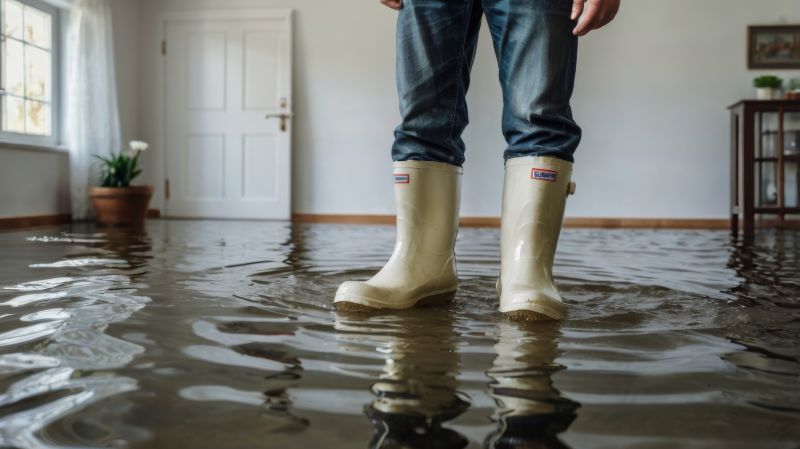



This scope builder helps you compare local contractors, define project details, verify experience, and set clear expectations.
- Scope Definition - Clearly outline the extent of flood damage restoration services needed to ensure all affected areas are addressed.
- Experience Verification - Confirm that local contractors have relevant experience in flood damage restoration projects similar in scope.
- Material and Method Specification - Specify the types of materials and restoration methods preferred or required for the project.
- Work Expectations - Establish detailed expectations for the work to be performed, including cleanup, drying, and structural repairs.
- Written Agreement - Ensure all scope details and expectations are documented in a written agreement before work begins.
When comparing contractors for flood damage restoration, it’s important to evaluate their experience with similar projects. Service providers who have handled flood-related repairs in environments comparable to your property are more likely to understand the specific challenges involved. Inquire about their past work with properties of similar size, scope, or water damage severity to gauge their familiarity with the process and potential solutions. An experienced contractor can better anticipate issues and recommend appropriate restoration methods based on their prior experience.
A clear, written scope of work is essential when selecting a flood damage restoration contractor. This document should outline the specific tasks to be completed, the materials to be used, and the expected outcomes. Having a detailed scope helps ensure all parties share the same expectations and provides a basis for accountability. When reviewing proposals, look for detailed descriptions of the work involved, and avoid contractors who provide vague or overly broad statements. A well-defined scope can serve as a foundation for effective communication and project management.
Verification basics are fundamental when evaluating service providers. Confirm that contractors have a solid track record of completing flood restoration projects successfully. Ask for references or examples of completed work in similar settings. It’s also helpful to verify that they carry appropriate insurance coverage and adhere to industry standards. Doing some background checks and requesting documentation can help confirm the contractor’s reliability and competence, reducing the risk of misunderstandings or subpar results.
Evaluating options without focusing on prices involves assessing the quality and appropriateness of each contractor’s approach. Consider how well each service provider understands your specific needs and whether their proposed scope aligns with your expectations. Review their experience, reputation, and the clarity of their communication. Asking detailed questions about their methods and previous projects can provide insight into their professionalism and compatibility with your property. This approach ensures that the decision is based on expertise and fit, rather than cost alone, leading to a more informed choice of a trusted flood damage restoration service provider.
Ask contractors to provide written scope of work to ensure clarity and consistent expectations for flood damage restoration.
- Experience and Expertise - How do the service providers' experience levels align with the specific scope of flood damage restoration?
- Scope of Work - What services are included in their flood damage restoration process and how do they define the project scope?
- Comparison of Services - How do different local contractors' approaches to flood damage restoration differ in terms of methods and coverage?
- Written Agreements - Do the service providers provide clear, detailed written descriptions of the scope and procedures for the restoration work?
- Specializations and Capabilities - What specific flood damage restoration capabilities do local contractors offer that match the particular needs of the project?
How can I compare flood damage restoration contractors? Use online resources to review credentials, read customer feedback, and evaluate the scope of services offered by different local service providers to find the best match for your needs.
What should I consider when defining the scope of flood damage restoration? Clearly outline the extent of water damage, areas affected, and specific services needed to ensure contractors understand your expectations and can provide appropriate solutions.
How can I verify the experience of flood damage restoration contractors? Request information about their previous projects, years of experience, and areas of specialization to ensure they have the expertise for your specific situation.
Why is it important to have written agreements with service providers? Written agreements help set clear expectations, outline the scope of work, and provide a record of what has been agreed upon, reducing misunderstandings.
What questions should I ask potential flood damage restoration contractors? Inquire about their approach to water mitigation, drying methods, and cleanup procedures to assess their methods and ensure they align with your needs.
How can I ensure that a contractor’s services meet my expectations? Discuss and document all project details in writing, including scope, procedures, and deliverables, to establish a clear understanding before work begins.
This page has provided an overview of how to find and evaluate contractors who handle flood damage restoration. Visitors can learn the importance of clearly defining the scope of work, verifying the experience of service providers, and putting all expectations in writing to help ensure a smooth process. Comparing different local contractors allows for informed decisions based on their offerings and expertise.
To connect with trusted service providers capable of managing flood damage restoration, use the quote form to explore options in the area. This approach helps identify local contractors who can meet specific needs, making it easier to find the right match for the job.